Pig Face
A Simple, Cute Design with Real-World Potential
As a designer who’s stitched countless embroidery projects for both personal and commercial use, I approach each new design with the same question: Will this work in real life? Pig Face is a machine embroidery design that immediately feels like it could fit into a variety of projects. It’s not overly complex, but it carries enough character to be memorable. Before diving into how it performs in different scenarios, I want to start by describing what first caught my eye.
The First Impression: A Playful, Approachable Look
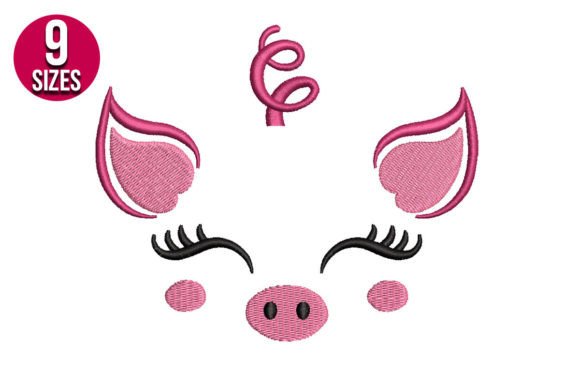
Pig Face has a soft, cartoonish style that’s instantly familiar. The shape is rounded, the eyes are large and expressive, and the overall tone is friendly and whimsical. There’s no harsh lines or intricate details—just a clean, simple face that feels like something a child might draw. This makes it ideal for projects targeting younger audiences or those looking to add a touch of charm to everyday items.
One thing I noticed right away is the lack of complexity. There are no elaborate patterns or detailed textures, which means it’s likely to stitch cleanly and quickly. However, this simplicity also means it may not stand out on its own. That said, when paired with the right fabric and background, it can create a delightful visual effect.
Custom Apparel: Sweatshirts, T-Shirts, and Caps
I tested Pig Face on a white cotton sweatshirt and a black denim cap. On the sweatshirt, the design looked bright and cheerful, especially when using pastel thread colors. The contrast was strong, and the stitching was clear. On the cap, however, the design felt slightly cramped. The curved surface made some of the edges look stretched, and the small details didn’t translate as well. For caps, I’d recommend using a smaller hoop size or adjusting the design layout to better fit the curve.
For t-shirts, Pig Face works best on lighter-colored fabrics. Darker backgrounds can make the design feel muted unless you use contrasting thread colors. Testing it on a black t-shirt with red thread gave it a bold, eye-catching look, which could be great for holiday or seasonal designs.
Baby Clothes and Personalized Gifts
When considering baby clothes, Pig Face is a solid choice. It adds a playful element without being too busy. I tested it on a light blue onesie and found it to be soft and visually appealing. However, I noticed that the design didn’t hold up well on thin or stretchy fabrics. Using a stabilizer helped, but even then, some parts of the pig’s face were slightly distorted. For baby items, I’d suggest using a thicker fabric or adding a layer of interfacing to maintain shape.
As a personalized gift, Pig Face is versatile. Whether it’s a embroidered patch, a tote bag design, or a pillow cover, it brings a sense of fun and personality. I imagine it would be popular for back-to-school themes, birthday gifts, or holiday decorations.
Small Hoop Sizes and Textured Fabrics
Pig Face is best suited for medium to large hoop sizes. When using a small hoop, the design can appear compressed, especially around the ears and nose. This can affect the clarity of the stitching and the overall appearance. For textured fabrics like denim or canvas, the design still holds up reasonably well, but the contrast between the pig’s face and the fabric texture can be less pronounced.
Dark Fabrics and Dense Stitch Areas
On dark fabrics, Pig Face requires careful consideration of thread color. Light threads can help the design pop, but they may not be as visible on very dark backgrounds. I recommend testing the design in black and white mockups before finalizing the thread selection. Additionally, areas with dense stitch counts, like the ears or facial features, can sometimes cause issues with stitch density. Ensuring proper stitch settings and using a high-quality embroidery file will help maintain clarity.
Practical Tips for Using Pig Face
- Test on scrap fabric: Always check the design on a piece of scrap fabric before using it on a finished product.
- Review thread color contrast: Choose thread colors that complement the fabric and enhance the design’s visibility.
- Check stitch density: Ensure the design stitches evenly without overcrowding any areas.
- Confirm hoop size: Use a hoop that matches the design’s dimensions to avoid distortion.
- Inspect small details: Make sure all elements of the design are clearly defined and stitch cleanly.
- Use proper stabilizer: Especially on stretchy or thin fabrics, a stabilizer can make a big difference in the final result.
- Test in black and white: This helps identify any potential issues with contrast or detail.
- Compare light and dark backgrounds: Understand how the design will look in different lighting conditions.
- Confirm licensing: If you plan to sell finished products or digital files, ensure you have the proper rights.
Conclusion: A Reliable Choice for Many Projects
Pig Face is a straightforward, charming design that offers a lot of flexibility. While it may not be the most intricate embroidery file, it’s practical for a wide range of applications. From custom apparel to handmade gifts, it has the potential to bring joy and personality to your projects. Just be mindful of fabric type, hoop size, and thread color to ensure the best results. With a little attention to detail, Pig Face can become a valuable addition to your embroidery toolkit.